RCBC funds APAC’s PHP 4.5 Billion Project for 99 MWp Solar-Plus-BESS Project in Western Visayas
How RCBC is Driving Renewable Energy Development in the Philippines with Project Luca
The country’s transition toward cleaner and more sustainable energy sources continues to gain momentum as Rizal Commercial Banking Corporation (RCBC) backs another major renewable energy development in the Philippines.
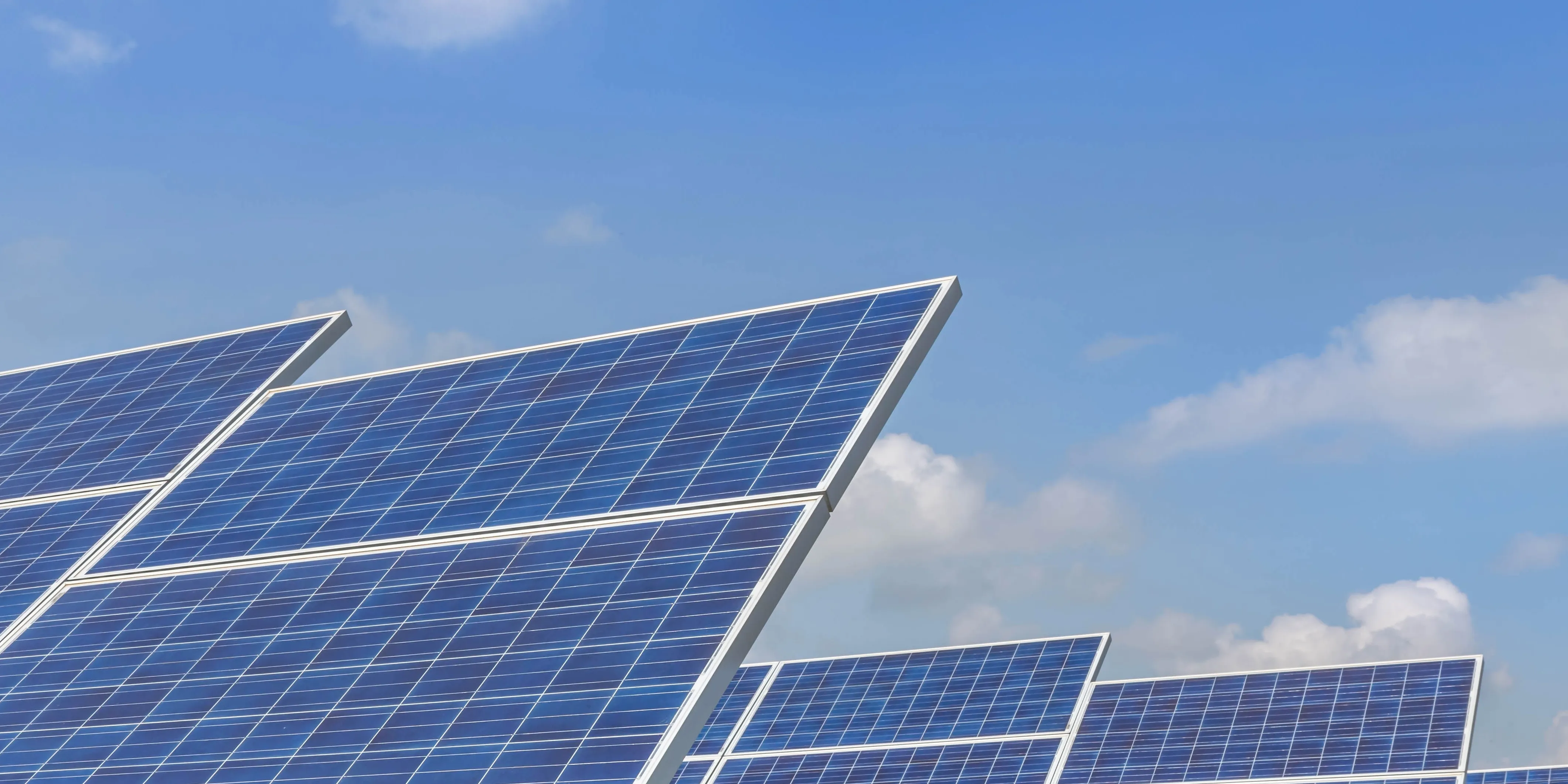
RCBC recently signed an Omnibus Loan and Security Agreement (OLSA) worth P4.5 billion for Project Luca, a 99 MWp solar-plus-storage development by ib vogt located in Barangay Luca, Municipality of Ajuy, Iloilo. The financing facility positions RCBC as the sole lender, while RCBC Capital Corporation serves as lead arranger for the transaction.
More than a financing milestone, the project represents another step toward strengthening the country's renewable energy capacity while improving energy reliability in the Visayas region.
As one of the country's leading advocates for sustainable finance, RCBC continues to support projects that create long-term value for communities, businesses, and future generations.
What Makes Project Luca Different from Traditional Solar Farms?
Project Luca combines two critical technologies that are shaping the future of renewable energy: solar photovoltaic generation and battery energy storage.
This renewable energy project in the Philippines will feature 99 MWp of solar photovoltaic capacity alongside a 4 MW/16 MWh Battery Energy Storage System (BESS). This makes it ib vogt's first hybrid solar-plus-storage project in the Visayas and one of the emerging models for renewable energy deployment in the Philippines.
While solar farms generate electricity during daylight hours, battery storage systems can store excess energy and release it when demand increases or when solar production declines. This improves the reliability and flexibility of renewable energy generation.
For island grids such as the Visayas, battery storage can help stabilize electricity supply and improve grid dispatchability, making renewable energy a more dependable source of power for households and businesses.
As the country increases its reliance on renewable energy, hybrid developments like Project Luca could become the blueprint for future clean energy investments.
Delivering Clean Electricity to More Than 85,000 Filipino Households
Once operational, Project Luca is expected to generate more than 160 GWh of clean electricity every year, contributing to the continued growth of renewable energy in the Philippines.
This amount of energy will be enough to meet the annual electricity needs of more than 85,000 Filipino households, helping reduce dependence on fossil-fuel-based power generation.
The environmental impact is equally significant. The project is expected to avoid more than 70,000 tonnes of carbon dioxide emissions annually, contributing directly to the country's climate goals and decarbonization efforts.
For a country that continues to experience rising electricity demand driven by urbanization, digitalization, and economic growth, investments in renewable energy infrastructure are increasingly important.
Projects like Luca show that economic development and environmental responsibility can move forward together.
Through initiatives such as these, the private sector can play a meaningful role in helping the Philippines build a more sustainable and resilient energy future.
This aligns closely with RCBC's broader commitment to sustainability and responsible banking practices.
Why Sustainable Financing Matters for the Energy Transition
Renewable energy projects require significant upfront investment before they can begin delivering benefits to consumers and communities.
This is where sustainable financing becomes critical. Financial institutions help bridge the gap between renewable energy developers and large-scale project implementation by providing the capital needed to move projects from planning to construction and operation.
The successful financial close for Project Luca also demonstrates the project's bankability under the Philippine government's Green Energy Auction framework, which was established to accelerate investments in renewable energy generation.
For lenders, bankability reflects confidence in a project's technical design, financial structure, execution capability, and long-term viability. On the other hand, for developers, it provides access to funding that can help bring projects online faster.
RCBC Executive Vice President and Institutional Banking Group Head Elizabeth Coronel highlighted the significance of the milestone and reaffirmed the bank's confidence in ib vogt's execution and operational capabilities.
The financing also reinforces RCBC's long-standing commitment to sustainable finance and environmental stewardship.
The bank continues to integrate ESG considerations into its financing decisions while supporting industries and projects that contribute to sustainable growth.
A Growing Pipeline for Renewable Energy Development in the Philippines
For ib vogt, Project Luca marks an important milestone in its Philippine expansion strategy.
According to the company, the project is its first power plant in the Visayas, a region with strong energy demand fundamentals and significant potential for renewable energy growth.
“This is our first power plant in the Visayas - a market with significant demand fundamentals and strong potential for renewable growth. RCBC’s commitment reflects confidence in the project’s structure and in ib vogt’s track record of delivery in the Philippines. We look forward to bringing it into construction and operation,” David Ludwig, CEO APAC of ib vogt said.
The company currently maintains an active development pipeline exceeding 1,000 MWp across the country, making the Philippines its priority market in Southeast Asia.
Globally, ib vogt operates across more than 32 countries and manages an extensive renewable energy portfolio that includes solar, battery storage, and wind projects.
Its growing presence in the Philippines signals increasing international confidence in the country's renewable energy sector and long-term investment potential.
As more developers enter the market and more financial institutions support clean energy initiatives, the country moves closer to achieving its renewable energy and energy security targets.
Building a More Sustainable Future with RCBC
The Philippines faces a critical opportunity to reshape its energy landscape. Population growth, economic expansion, and rising electricity demand will require new power sources that are reliable, affordable, and environmentally sustainable.
Hybrid renewable energy developments in the Philippines, such as Project Luca, provide a possible solution by combining clean energy generation with energy storage technologies to improve grid performance and resilience.
Partnerships between developers, financial institutions, and policymakers will play a crucial role in accelerating this transition.
As the country's fifth-largest privately owned bank, RCBC remains committed to supporting projects that create meaningful environmental and social impact while generating long-term value for businesses and communities.
By financing renewable energy developments and advancing sustainable finance initiatives, the bank continues to strengthen its role as a trusted partner in building a greener future for the Philippines.
To learn more about RCBC's sustainability initiatives and financing solutions for renewable energy projects, get in touch with us today.