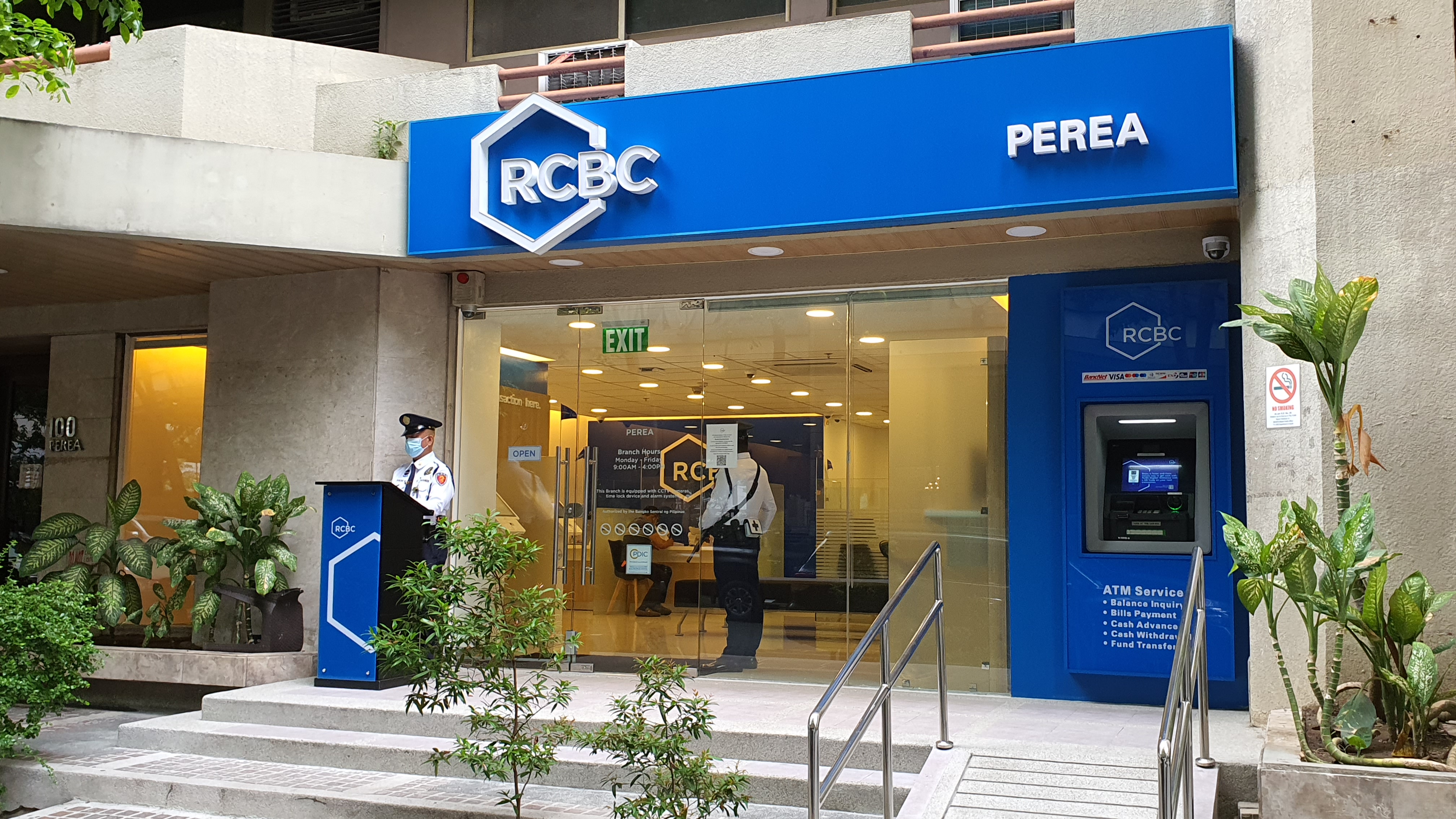
RCBC names new president, CEO
MANILA, Philippines — Yuchengco-led Rizal Commercial Banking Corp. (RCBC) has named Reginaldo Anthony Cariaso as the bank’s new president and chief executive officer.
Cariaso officially assumed yesterday, following the retirement of long-time bank executive Eugene Acevedo.
The listed bank’s board of directors approved Cariaso’s appointment during a meeting on June 30, subject to the necessary clearances from the Bangko Sentral ng Pilipinas and other regulators.
A seasoned banker, Cariaso steps into the role at a time of continued digitalization and expansion for RCBC, one of the country’s largest universal banks.
Cariaso was the bank’s executive vice president and group head of operations before his role. Prior to his career with RCBC, he was the senior vice president and head of corporate banking strategy, products and support at the Bank of the Philippine Islands (BPI) from May 2019 to November 2023.
He previously served as head of investment banking at BPI Capital, bringing with him extensive experience in capital markets, mergers and acquisitions, and corporate advisory work. He was also an executive director for Nomura International from 2010 to 2012 and JP Morgan from 1996 to 2008.
Cariaso graduated from the University of Pennsylvania, Philadelphia with a degree in Bachelor of Arts in Chemistry.
Acevedo, officially stepped down on June 30 after leading RCBC since 2019. Under Acevedo’s leadership, the bank accelerated its digital transformation efforts and grew its asset base to over P1 trillion.
RCBC is a member of the Yuchengco Group of Companies and operates a wide network of branches and digital banking platforms across the Philippines.
Meanwhile, Moody’s Ratings has affirmed RCBC’s Baa3 ratings with a stable outlook, reflecting the bank’s “modest solvency relative to peers,” and its “modest deposit franchise.”
“Over the next 12 to 18 months, we expect the asset quality of RCBC to remain under pressure as rapid growth in the consumer portfolio over the past three years has exposed the bank to unseasoned loan risk,” the debt watcher said.
“At the same time, SME (small and medium enterprises) borrowers will remain vulnerable to defaults due to elevated, albeit declining, interest rates,” it added.
The credit rater said it could upgrade the ratings if its return on assets improves to one percent on a sustained basis and if asset quality improves. It could, however, downgrade if the bank’s deposit ratings falls below 10 percent or if asset quality deteriorates.
The bank saw its net income rise by 10 percent year-on-year to P2.43 billion in the first quarter, driven by robust loan growth, higher interest income and expanding digital services.